
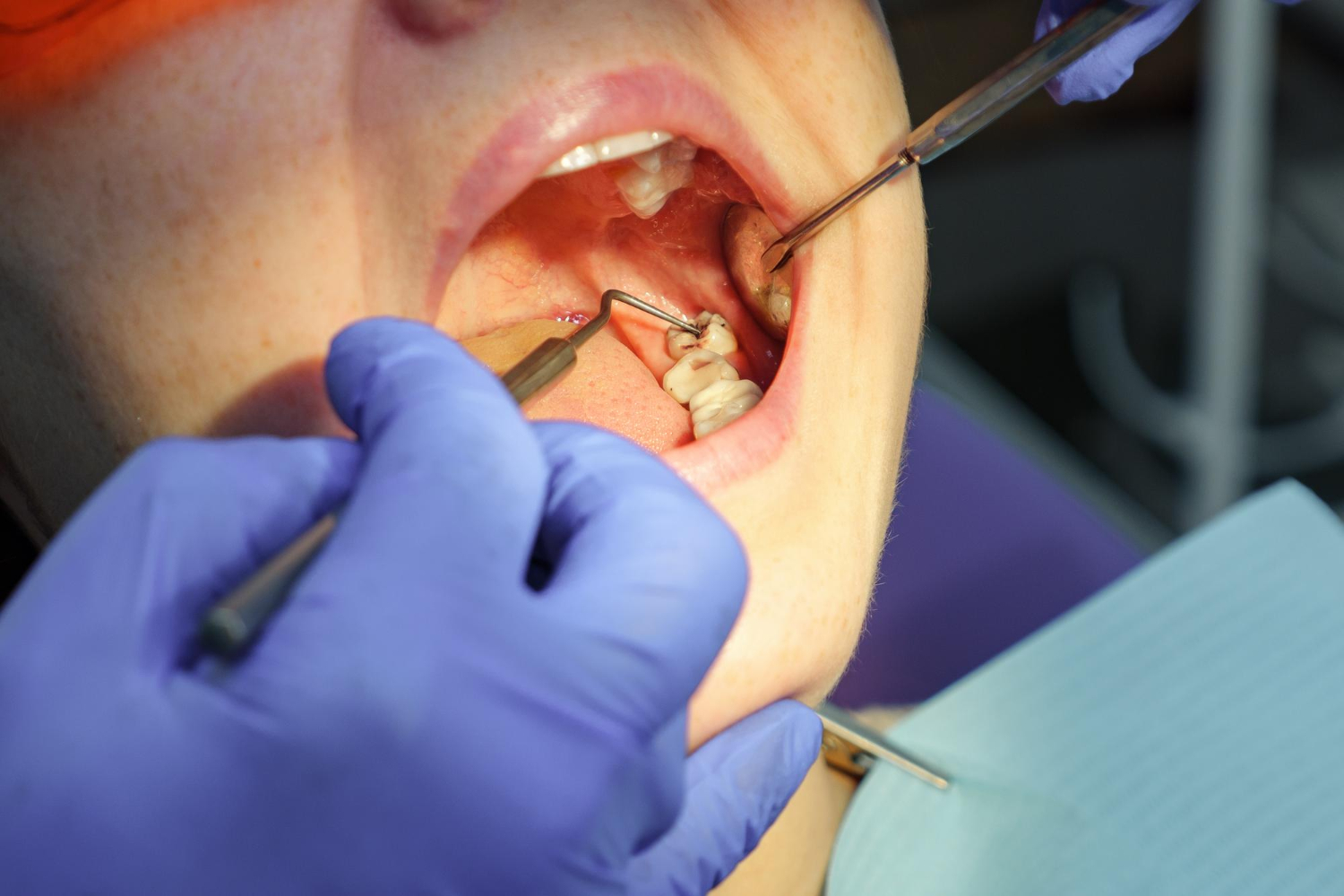
A tooth extraction begins with an examination, X-rays, and local anesthesia to ensure comfort. During the procedure, the dentist carefully removes the damaged tooth while minimizing discomfort. Afterward, gauze is placed to control bleeding, and you’ll receive aftercare instructions to promote healing, reduce swelling, and lower the risk of complications.
If you’re asking, “What should I expect during a tooth extraction?”, you can generally expect a safe, well-planned procedure with minimal discomfort. Most patients experience pressure rather than pain because the area is fully numbed, and following your dentist’s aftercare instructions helps support a smooth recovery and proper healing.
What should I expect during a tooth extraction before the procedure?
If you’re wondering, “What should I expect during a tooth extraction?”, the process starts with a complete dental evaluation. Your dentist will examine the tooth, review X-rays, discuss your medical history, and explain the recommended treatment before moving forward.
This evaluation helps determine the safest way to remove the tooth. You’ll also discuss any medications, allergies, or medical conditions that could affect treatment or recovery. The dentist will explain the type of anesthesia being used so you know exactly what to expect. At Laguna Niguel Smiles Dentistry, every patient receives clear instructions about preparing for the appointment, including eating, medications, and transportation if sedation is needed.
What should I expect during a tooth extraction while the tooth is being removed?
Many patients ask, “What should I expect during a tooth extraction?” because they’re concerned about pain. The good news is that you should expect to feel pressure, but you shouldn’t feel pain since the area is completely numbed with local anesthesia.
Once the tooth and surrounding tissues are numb, the dentist carefully loosens the tooth using specialized instruments before removing it. If the tooth is broken or impacted, it may be removed in smaller sections to make the procedure safer and more comfortable. Our team closely monitors your comfort throughout the appointment and can provide additional anesthesia if necessary.
How long does a tooth extraction usually take?
A routine tooth extraction usually takes between 20 and 40 minutes, although the exact time depends on the condition and location of the tooth. If you’ve been asking, “What should I expect during a tooth extraction?” Knowing the typical appointment length can help you plan.
Simple extractions are often completed quickly, while impacted or severely damaged teeth may require additional time. Your visit may also include time for preparation, anesthesia, and post-procedure instructions before you’re ready to leave.
What should I expect during a tooth extraction after the tooth has been removed?
When people ask, “What should I expect during a tooth extraction?”, they’re often just as concerned about recovery as they are about the procedure itself. Immediately after the tooth is removed, your dentist places gauze over the extraction site to help a protective blood clot form.
You’ll receive instructions on how long to bite on the gauze, what foods to eat, and which activities to avoid during the first 24 hours. Mild soreness, swelling, and slight bleeding are normal for the first few days. We recommend contacting the office if bleeding continues, swelling worsens, or pain becomes severe.
Is it normal to feel nervous before a tooth extraction?
Yes. Feeling anxious before a tooth extraction is very common. In fact, many people search “What should I expect during a tooth extraction?” because understanding the procedure often helps ease their concerns.
Your dentist can explain every step, answer questions, and discuss comfort options before treatment begins. Knowing exactly what will happen often makes patients feel more relaxed and confident on the day of their appointment.
How can I recover comfortably after a tooth extraction?
If you’re still wondering, “What should I expect during a tooth extraction?”, it’s important to know that recovery is just as important as the procedure itself. Following your dentist’s instructions gives your mouth the best chance to heal properly.
Apply a cold compress if swelling develops, eat soft foods, stay hydrated, and avoid disturbing the blood clot while the area heals. Smoking, drinking through a straw, and strenuous exercise should be avoided during the initial recovery period.
At Laguna Niguel Smiles Dentistry, each patient receives personalized aftercare instructions based on the type of extraction performed. Our priority is helping patients recover comfortably while reducing the risk of complications. We also recommend follow-up care whenever additional treatment is needed.
Frequently Asked Questions
Does a tooth extraction hurt?
No. During the procedure, local anesthesia numbs the treatment area, so most patients feel pressure instead of pain. Mild soreness afterward is normal and usually improves with proper aftercare and any recommended medication.
How long does it take to recover after a tooth extraction?
Most patients begin feeling much better within a few days, while the gums generally heal within one to two weeks. Complete healing of the underlying bone takes longer and varies depending on the complexity of the extraction.
What can I eat after a tooth extraction?
Soft foods such as yogurt, mashed potatoes, scrambled eggs, applesauce, oatmeal, and smoothies eaten with a spoon are recommended during the first few days. As healing progresses, you can gradually return to your regular diet.
Can I return to work after having a tooth extracted?
Many patients return to work or school the next day after a simple extraction. More complex procedures, such as surgical or impacted tooth extractions, may require additional recovery time based on your dentist’s recommendation.
When should I call my dentist after a tooth extraction?
Contact your dentist if you have persistent heavy bleeding, increasing swelling after several days, severe pain that doesn’t improve, fever, or any signs of infection. Early treatment can help prevent more serious complications.
Conclusion
If you’ve been asking, “What should I expect during a tooth extraction?”, the answer is reassuring. The procedure begins with a careful evaluation, continues with effective anesthesia and safe tooth removal, and ends with clear aftercare instructions to support healing.
Understanding each step can help you feel more confident and prepared, making the entire experience smoother from start to finish.