When we talk about modern teeth bleaching, one question comes up often: does adding a special light actually make the treatment work better? A bright smile can make people look for the fastest whitening option available. That often leads to one question: if a whitening gel is paired with a special light, does the extra technology actually make the teeth whiter?
The answer is less straightforward than many advertisements suggest. Researchers have studied light-activated bleaching for years and newer reviews are adding more detail to the picture. For someone considering Laguna Niguel teeth bleaching, the more useful question may not be whether a light is involved. It may be whether that light adds enough value to justify its use for a particular whitening plan.
The light sounds impressive. The evidence is more mixed
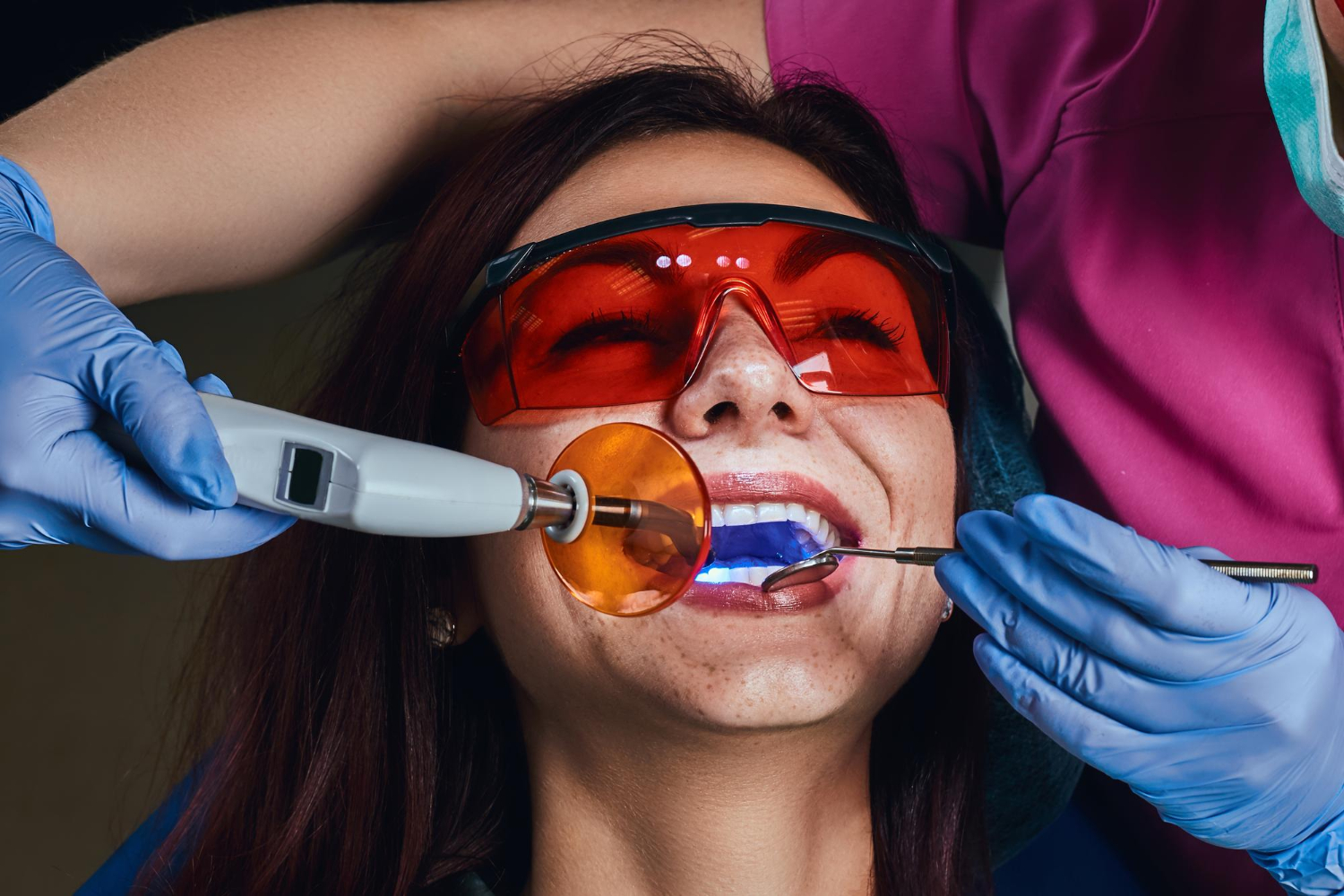
Light-activated bleaching combines peroxide-based whitening gel with a special light designed to support the bleaching process. The idea is simple: add light, speed up the reaction and achieve a brighter smile. But research hasn’t consistently shown that the light itself produces better final results.
A 2026 umbrella review found that laser or light activation did not consistently improve whitening compared with bleaching without activation. Some higher-energy approaches may also increase sensitivity or heat.
When we look at the research, we don’t see a simple “light equals better whitening” answer. We see a reason to consider the complete treatment rather than one piece of equipment.
That doesn’t mean light-based whitening has no role. It simply means the device shouldn’t be treated as the main reason a treatment works.
The gel still does most of the heavy lifting
Whitening happens because peroxide-based materials break down stain-causing compounds within the tooth. The light is an added part of some treatment systems, not the whitening ingredient itself.
The American Dental Association recognizes professional in-office whitening systems that may use peroxide gel either with or without a light.
That distinction matters when comparing treatments. A patient may see a whitening system advertised as faster because it includes a light but the presence of a lamp doesn’t automatically mean the final result will be better.
For Laguna Niguel teeth bleaching, this is one reason a dentist’s assessment can be more useful than choosing a treatment based on its equipment alone.
A brighter result isn’t the only result that matters
Whitening is often judged by one thing: how white the teeth look afterward.
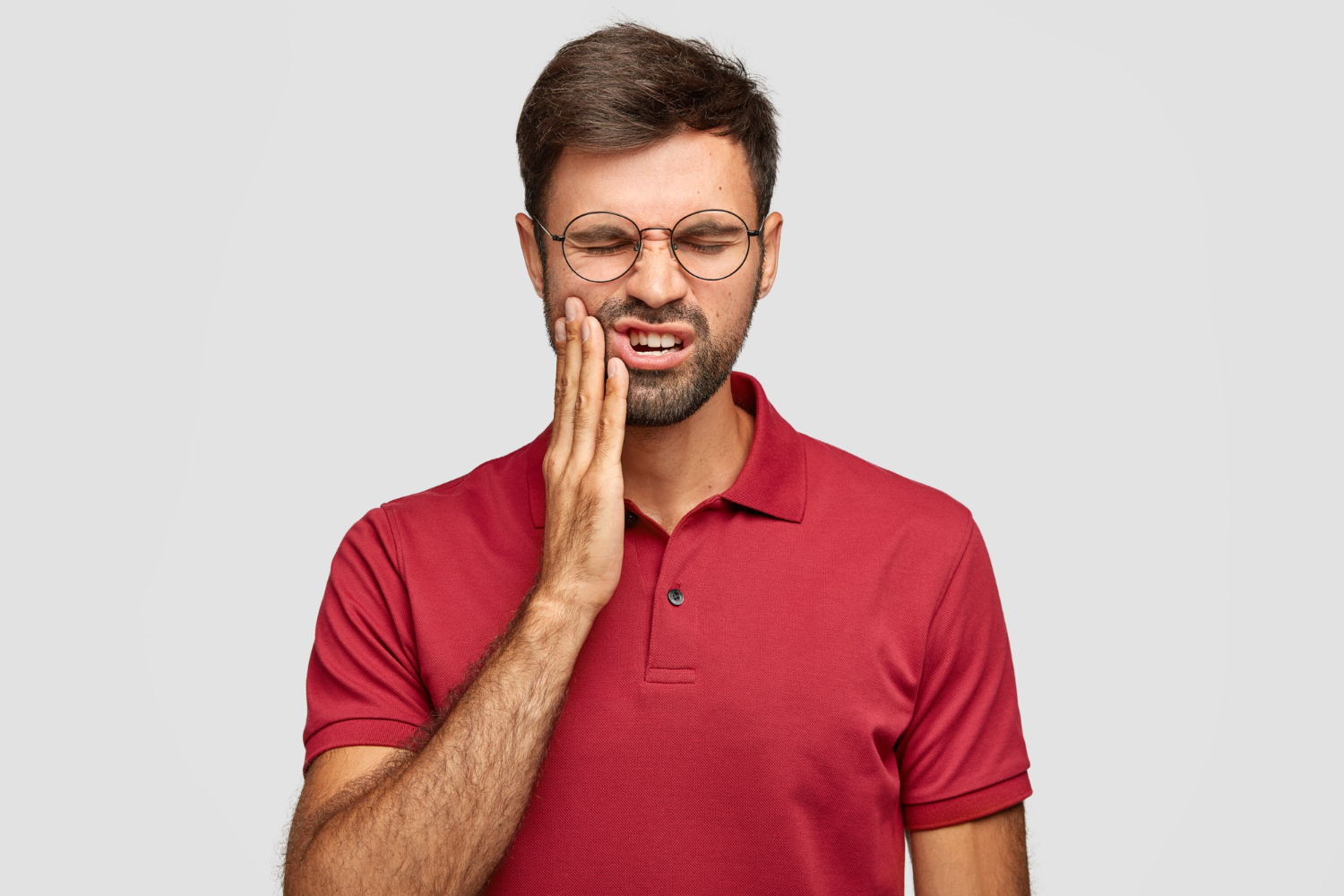
Sensitivity deserves equal attention.
Earlier research found that light activation did not consistently improve whitening and, in some protocols, was associated with more tooth sensitivity. More recent evidence continues to question whether routine light activation improves bleaching enough to offset potential drawbacks.
This changes the way the treatment should be viewed. If two approaches can produce a similar shade change, the better choice may depend on factors such as sensitivity, the condition of the teeth, the bleaching material and the treatment plan rather than simply which one uses the newest-looking device.
What can change the whitening experience?
| Factor | Why it matters |
| Peroxide formula | Determines how bleaching takes place |
| Treatment concentration | Can affect whitening and sensitivity |
| Light settings | Different systems don’t behave the same way |
| Existing sensitivity | May influence which approach is appropriate |
| Type of discoloration | Not every stain responds in the same way |
| Treatment goals | A small color change may call for a different plan than a major one |
“Faster” and “better” aren’t the same thing
This is where many whitening discussions become confusing. A treatment may be designed to produce a visible change during an office visit. That doesn’t automatically mean the light caused a superior long-term result. In fact, research comparing in-office bleaching with and without light has found that the difference in color change can be small or inconsistent.
For patients researching Laguna Niguel teeth bleaching, that distinction can prevent an easy mistake: assuming more equipment means a more effective treatment.
Modern dentistry has plenty of useful technology. The goal is to use it when it makes sense, not simply because it looks advanced.
What about newer forms of light therapy?
There’s another detail in the newer research worth knowing. The 2026 umbrella review distinguished conventional light or laser activation from photobiomodulation, a different approach that uses specific light parameters for biological effects.
The review found that photobiomodulation may help reduce sensitivity after bleaching without reducing the whitening effect, although the evidence is different from the evidence for using light simply to activate bleaching gel.
That distinction is easy to miss when every light-based treatment gets placed under the same label.
So, when you hear that “light helps whitening,” it’s worth asking what type of light, what it is intended to do and what evidence supports that specific use.
The smarter question to ask before bleaching
Instead of asking only, “Does this whitening system use a light?” consider asking:
- What is causing my tooth discoloration?
- How much whitening am I actually looking for?
- Am I prone to tooth sensitivity?
- Which bleaching approach fits my teeth and goals?
- Is the light an essential part of the treatment or simply an added feature?
These questions shift the focus from the equipment to the person receiving the treatment.
At Laguna Niguel Smiles Dentistry, we offer teeth whitening as part of our cosmetic dentistry services. We can help patients consider a whitening approach based on their goals, lifestyle and individual needs. Our approach is consistent with the broader lesson from current research: there isn’t one feature that makes every whitening treatment the best choice.
Where modern whitening is really heading
The most interesting change in whitening isn’t necessarily the arrival of another brighter lamp. It’s the growing focus on choosing treatment based on evidence, sensitivity, the type of discoloration and the patient’s desired result.
For Laguna Niguel teeth bleaching, that can mean looking past the word “advanced” and asking what the treatment is actually designed to accomplish.
A light may be part of a whitening system but it isn’t a shortcut around good treatment planning. The strongest whitening decisions come from understanding what is being treated, how the materials work and what approach makes sense for the individual smile.
If you’re considering Laguna Niguel teeth bleaching, we’re here to help you understand which whitening options may fit your teeth, sensitivity level and cosmetic goals. At Laguna Niguel Smiles Dentistry, we want patients to understand the reasoning behind their treatment rather than choose an option simply because it uses the latest technology.