
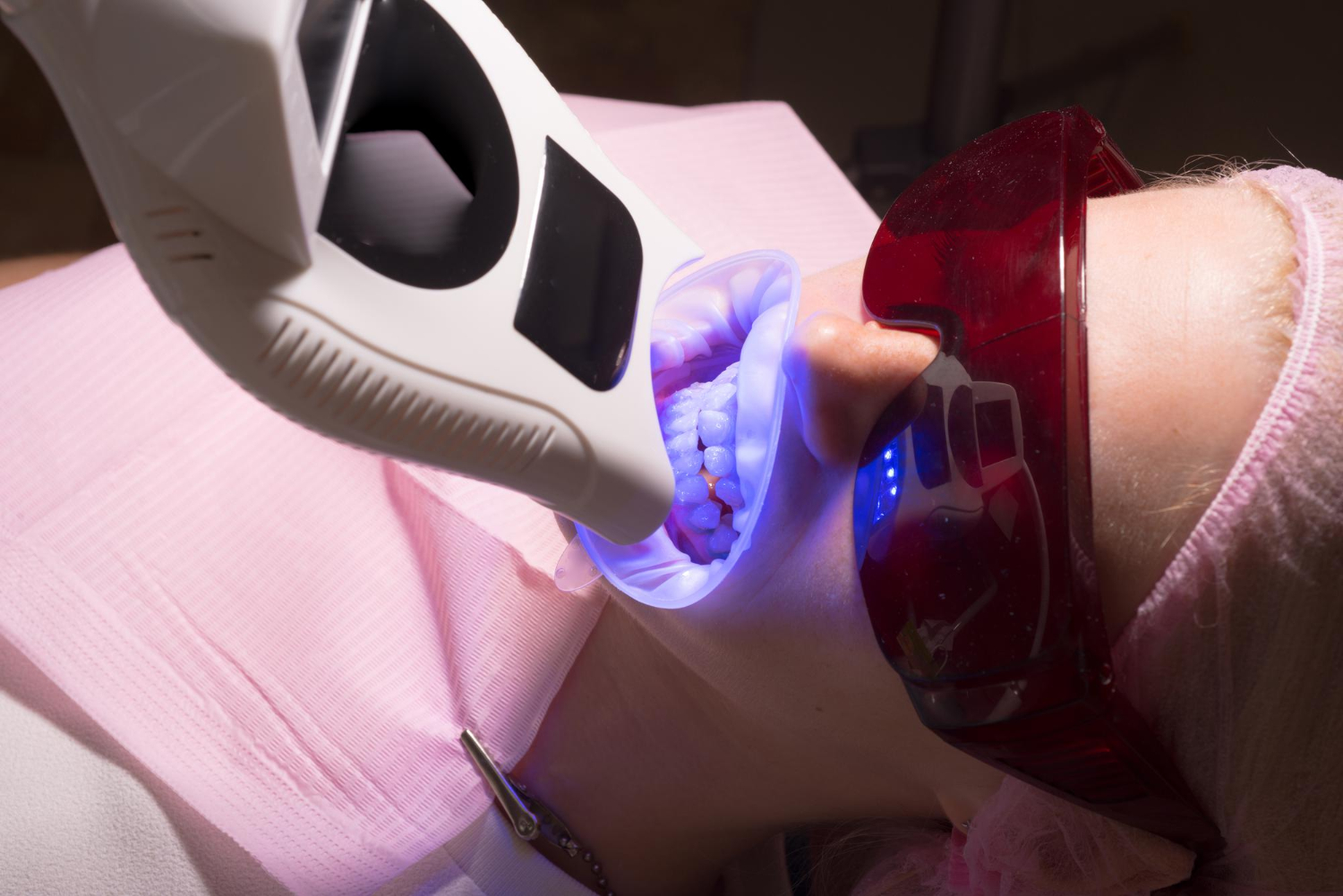
Some whitening treatments last longer because they penetrate deeper into the tooth and remove internal stains, not just surface discoloration. Professional bleaching agents, enamel condition, and post-treatment habits like diet and oral hygiene also affect durability. Surface-level whitening fades faster since it only targets external stains that quickly return.
The longevity of results also depends on the type of treatment used, which is where “What is the difference between teeth whitening and teeth bleaching?” becomes important. Whitening focuses on surface stain removal, while bleaching changes the internal tooth shade, making results more stable and resistant to everyday discoloration over time.
What is the difference between teeth whitening and teeth bleaching?
Teeth whitening removes stains from the outer surface of the enamel, while teeth bleaching alters the natural color of teeth from within. This difference is important because it determines how deep the treatment works and how long the results last.
Whitening focuses on external stains caused by coffee, tea, tobacco, and food pigments. It improves brightness by cleaning and polishing the enamel surface. Bleaching uses peroxide-based agents that penetrate deeper layers of the tooth to change its internal shade. Understanding “What is the difference between teeth whitening and teeth bleaching?” helps clarify why bleaching tends to deliver more noticeable and longer-lasting color changes.
Why do some whitening treatments last longer than others?
Some whitening treatments last longer because they address deeper staining and use stronger active ingredients that stabilize color changes. This is closely linked to how deep the treatment reaches inside the tooth structure.
Surface whitening typically fades faster since new stains from food and drinks can quickly accumulate again. In contrast, deeper bleaching treatments modify the internal shade of teeth, making the results more resistant to daily staining. The answer to “What is the difference between teeth whitening and teeth bleaching?” plays a direct role in understanding why treatment depth affects longevity.
Lifestyle habits also play a major role. Smoking, frequent coffee consumption, and inconsistent oral hygiene can shorten results regardless of the treatment chosen.
Which treatment provides longer-lasting results?
Bleaching generally provides longer-lasting results because it changes the internal color of teeth rather than just cleaning the surface. This distinction directly influences how stable the results remain over time.
Whitening is effective for short-term brightness but may require frequent touch-ups. Bleaching, when performed professionally, can maintain results for many months or even years, depending on care habits. The key factor in teeth whitening and teeth bleaching is that deeper treatments tend to resist external staining more effectively.
Patients with mild discoloration may achieve sufficient results with whitening alone, while those with deeper staining often benefit more from bleaching for extended durability.
Is whitening or bleaching better for sensitive teeth?
Whitening is generally better for patients with sensitivity because it uses lower-strength agents that act on surface stains only. This makes it a more comfortable option for many individuals.
Bleaching can sometimes cause temporary sensitivity because the active agents penetrate deeper into the tooth structure. However, modern formulations are designed to minimize discomfort while maintaining effectiveness. The choice depends on balancing comfort with desired whitening strength and expected longevity of results, which is why understanding “What is the difference between teeth whitening and teeth bleaching?” is important before selecting a treatment.
How can you extend whitening results?
Results can be extended by maintaining strong oral hygiene habits and avoiding foods and beverages that cause staining. This includes regular brushing, flossing, and routine dental cleanings.
Coffee, tea, red wine, and tobacco are common contributors to faster discoloration. Reducing exposure to these helps preserve brightness for a longer time. The longevity of results is closely connected to how well patients manage post-treatment care and daily habits.
At Laguna Niguel Smiles Dentistry, patients are guided on simple routines that help protect their investment in cosmetic dental care.
Frequently Asked Questions
Why do whitening treatments fade faster for some people?
Whitening fades faster when surface stains return quickly due to diet or lifestyle habits. It also depends on enamel porosity and how well oral hygiene is maintained. Deeper stain removal methods tend to show more stable results over time.
Is bleaching more effective than whitening?
Bleaching is more effective for deeper discoloration because it changes the internal tooth shade. Whitening is better for mild surface stains. The effectiveness depends on the type and depth of staining, rather than one method being universally superior.
Can whitening damage teeth?
Bleaching works better for deeper discoloration because it changes the internal tooth shade, while whitening targets surface stains. Effectiveness depends on stain depth, not superiority. That’s why understanding “What is the difference between teeth whitening and teeth bleaching?” helps in choosing the right treatment.
How long do results usually last?
Whitening results typically last a few months, while bleaching can last a year or longer, depending on oral care habits. Maintenance plays a major role in extending brightness after either treatment.
What helps maintain a brighter smile longer?
Good oral hygiene, reduced intake of staining foods, and regular dental cleanings help maintain brightness. Touch-up treatments may also be recommended depending on lifestyle habits and the type of procedure initially used.
Conclusion
The longevity of cosmetic dental treatments depends on how deeply stains are treated and how well results are maintained afterward. Whitening targets surface-level stains and offers quicker but shorter-lasting brightness, while bleaching works deeper within the tooth structure for more stable and longer-lasting results.
Lifestyle habits and oral hygiene also play a major role in preserving outcomes over time. Understanding “What is the difference between teeth whitening and teeth bleaching?” helps patients make informed decisions and choose the most suitable option for achieving and maintaining a consistently brighter smile.