
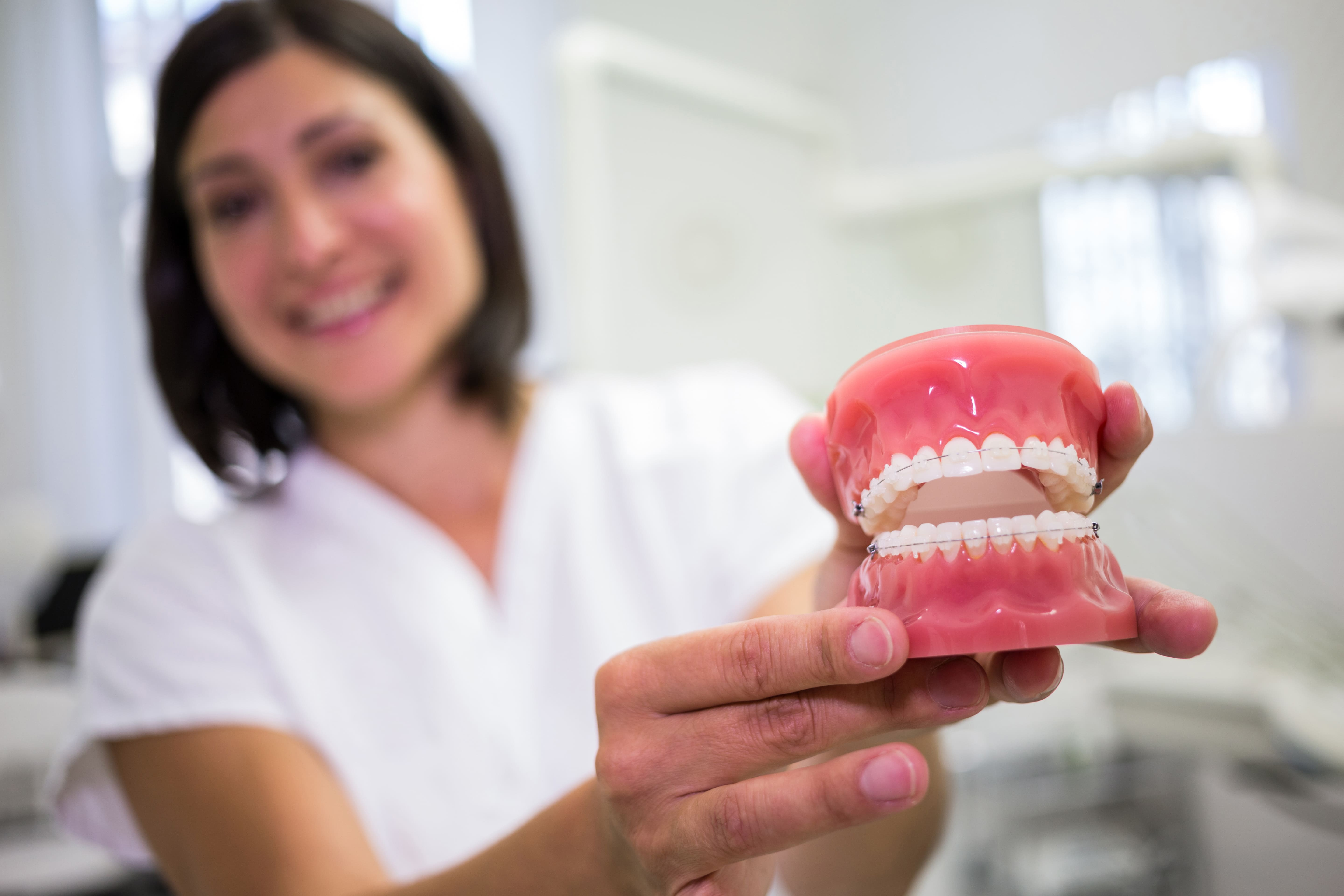
Traditional dentures have helped millions of people regain confidence in their smile, improve chewing ability, and restore daily comfort after tooth loss. However, like any dental appliance, they are not designed to last forever. Over time, changes in the mouth, wear on materials, and shifting fit can affect how well they perform. Knowing when adjustments are no longer enough, and replacement is the better option can make a meaningful difference in oral health and quality of life.
At Laguna Niguel Smiles Dentistry, we often meet patients who have been quietly struggling with discomfort or reduced function without realizing their dentures may be the cause. Understanding the early warning signs can help prevent bigger oral health issues later.
Below are six clear signs it may be time to replace your traditional dentures.
1. Your Dentures Feel Loose or Unstable
One of the earliest and most noticeable signs is movement while speaking or eating. A proper fit should feel secure without constant slipping or the need for excessive adhesive.
Over time, the jawbone naturally changes shape after tooth loss, which can cause dentures to lose their original fit. When this happens, even well-made traditional dentures may begin to feel unstable. This can lead to irritation, difficulty chewing, and even embarrassment in social situations.
We evaluate fit issues carefully because even small adjustments in bone structure can significantly affect comfort and function.
2. Difficulty Chewing Certain Foods
If foods you once enjoyed, like apples, nuts, or meats, become difficult to chew, your dentures may no longer be functioning properly. Poor bite alignment can reduce chewing efficiency and affect digestion over time.
When patients come to us with these concerns, we often find that their traditional dentures have worn down or no longer match the natural movement of their jaw. This imbalance forces the mouth to work harder, leading to fatigue and uneven pressure on the gums.
At Laguna Niguel Smiles Dentistry, we help restore proper chewing function by evaluating whether repair or full replacement is needed for better long-term stability.
3. Frequent Sore Spots or Gum Irritation
Dentures should never cause ongoing pain. Occasional mild discomfort during adjustment is normal, but persistent sore spots are a warning sign.
As gums and bone structure change, pressure points can develop, causing irritation or even small wounds. This is especially common in older traditional dentures that no longer match the mouth’s natural contours.
If left untreated, these sore areas can become infected or lead to further complications. A properly fitted replacement often resolves the issue completely by distributing pressure evenly across the gums.
4. Changes in Facial Appearance
Dentures do more than restore teeth; they also support facial structure. When they wear down or no longer fit correctly, changes in appearance may become noticeable.
Common signs include sunken cheeks, increased wrinkles around the mouth, or a collapsed bite. These changes happen gradually, which is why many patients don’t immediately connect them to their dentures.
Worn traditional dentures can fail to provide the necessary support for facial muscles, leading to an aged or tired look. Replacing them at the right time helps restore a more natural facial balance and improved confidence.
5. Visible Wear, Cracks, or Discoloration
Dentures are exposed to daily wear from chewing, cleaning, and temperature changes. Over time, this can lead to cracks, chips, or staining that cannot be fully restored through cleaning alone.
Even if they still function, damaged traditional dentures may harbor bacteria in small cracks or become structurally weak. This can compromise both hygiene and durability.
We often remind patients that visible wear is not just a cosmetic issue; it is a sign that the material integrity is breaking down, and replacement should be considered.
We carefully examine these signs to ensure patients maintain both safety and comfort.
6. Slurred Speech or Difficulty Speaking Clearly
Clear speech depends heavily on proper denture alignment. If you notice changes in pronunciation or feel like your words are less crisp, it may indicate a shift in fit.
Loose or worn dentures can move slightly with tongue pressure, making it harder to form certain sounds. This is often one of the most frustrating changes for patients because it affects confidence in everyday communication.
Over time, traditional dentures can lose their original shape and no longer support natural speech patterns. Replacing them helps restore clarity and ease when talking.
At Laguna Niguel Smiles Dentistry, we understand how important communication is to daily life, and we focus on restoring both function and confidence through properly fitted solutions.
Why Timely Replacement Matters
Ignoring these signs can lead to ongoing discomfort, reduced nutrition due to poor chewing, and gradual changes in oral health. Regular dental checkups help ensure dentures continue to fit properly and function as intended.
Modern improvements in dental materials and techniques also mean that newer options often provide better comfort, durability, and aesthetics compared to older traditional dentures.
Upgrading at the right time is not just about appearance; it is about maintaining long-term oral health and quality of life.
Conclusion
Dentures are an essential solution for restoring smiles, but they require attention as the mouth naturally changes over time. Recognizing early warning signs can help prevent discomfort and ensure better function in daily life.
If you notice instability, discomfort, or changes in speech or appearance, it may be time to reassess your traditional dentures. With the right evaluation and care, replacement can significantly improve comfort and confidence.
We believe that every patient deserves a stable, natural-feeling smile that supports both health and lifestyle. If your dentures are no longer performing as they should, a professional evaluation can help guide the next best step toward renewed comfort and function.